Mold and Immune System Health: What Agoura Hills Residents Should Know
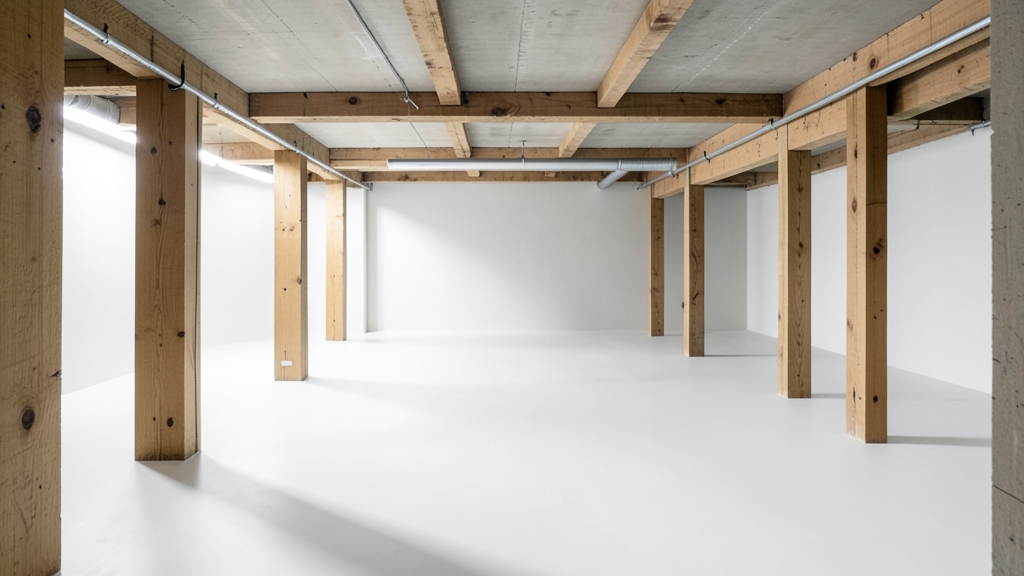
Mold isn’t just an unsightly nuisance—it can silently compromise your immune system. In our region’s semi-arid climate with seasonal humidity spikes, hidden mold in attics, crawl spaces, or basements often goes unnoticed until health symptoms arise. We’ll break down the science, the risks, and how to protect your household.
How Mold Affects the Immune System
Mold releases microscopic spores and mycotoxins that, when inhaled, can trigger immune responses. For healthy individuals, this may mean mild allergies. For others—especially children, the elderly, or those with autoimmune conditions—it can lead to chronic inflammation.
Prolonged exposure weakens the immune system’s ability to fight off other pathogens. This is particularly concerning in homes with poor ventilation or past water damage, common in areas like Westlake Village and Calabasas where older properties may lack modern moisture controls.
Common Health Symptoms Linked to Mold Exposure
Early signs often mimic seasonal allergies: sneezing, itchy eyes, or skin rashes. But unlike pollen, mold exposure persists year-round if the source isn’t addressed.
More severe reactions include persistent coughing, sinus infections, or fatigue. In extreme cases, mycotoxins from black mold (Stachybotrys) can cause neurological symptoms like headaches or memory issues. These require immediate attention and professional mold testing.
If symptoms improve when away from home but return upon re-entry, mold may be the culprit. Consult a healthcare provider and schedule a mold inspection.
Why Agoura Hills Homes Are Vulnerable
Our local climate—dry summers followed by wet winters—creates ideal conditions for mold growth in hidden spaces. Attics with poor insulation or crawl spaces with standing water after rare heavy rains are prime targets.
Neighboring areas like Oak Park and Thousand Oaks share similar risks, especially in homes built before the 1990s. Aging plumbing, leaky roofs, or improperly sealed basements can harbor mold for years without visible signs.
Mold Types and Their Immune System Impact
Not all molds are equally harmful, but many common household varieties pose risks. Here’s how they differ in toxicity and prevalence in our region.
| Mold Type | Toxicity Level | Common Locations | Immune Impact |
|---|---|---|---|
| Aspergillus | Moderate to High | HVAC systems, damp walls | Allergies, asthma, lung infections |
| Stachybotrys (Black Mold) | High | Water-damaged drywall, cellulose materials | Severe respiratory issues, mycotoxin poisoning |
| Cladosporium | Low to Moderate | Carpets, fabrics, window sills | Mild allergies, skin irritation |
| Penicillium | Moderate | Water-damaged furniture, insulation | Sinusitis, chronic cough |
| Alternaria | Moderate | Bathrooms, kitchens, basements | Asthma attacks, hay fever-like symptoms |
The Hidden Cost of Ignoring Mold
Beyond health, mold damages property. It degrades drywall, wood, and insulation, leading to costly repairs. The longer it grows, the more extensive the remediation—sometimes requiring full attic or crawl space encapsulation.
Insurance may not cover mold damage if it’s deemed preventable. Factors like the extent of contamination, type of mold, and whether moisture control was neglected all play a role in costs. Request a quote to assess your situation.
Addressing moisture issues early—like fixing leaks or improving ventilation—can prevent mold growth and avoid expensive remediation later.
Professional Mold Remediation vs. DIY
DIY mold removal often fails because it doesn’t address the root cause: moisture. Bleach may kill surface mold but won’t penetrate porous materials like drywall or wood, where spores can regrow.
Our team uses HEPA filtration, antimicrobial treatments, and moisture barriers to ensure mold doesn’t return. We also provide air quality testing to confirm the environment is safe post-remediation.
Signs You Need Professional Remediation
- Mold covers an area larger than 10 square feet
- Mold returns after repeated cleaning
- You or family members experience unexplained health symptoms
- There’s a musty odor but no visible mold
- Water damage occurred in the past 48 hours
Mold Prevention: A Year-Round Commitment
In Agoura Hills, prevention means adapting to seasonal changes. Winter rains require vigilant leak checks, while summer’s dry heat demands proper attic ventilation to avoid condensation buildup.
Dehumidifiers in basements or crawl spaces, regular HVAC maintenance, and moisture-resistant building materials are key. For commercial properties, especially in Thousand Oaks or Calabasas, proactive inspections can prevent costly shutdowns.
How to Reduce Mold Exposure at Home
These steps can minimize risk while you arrange a professional inspection.
- 1Control Humidity
Use dehumidifiers in damp areas like basements or crawl spaces. Aim to keep indoor humidity below 50% year-round.
- 2Improve Ventilation
Run exhaust fans in bathrooms and kitchens. Ensure attics and crawl spaces have proper airflow to prevent condensation.
- 3Fix Leaks Immediately
Inspect pipes, roofs, and windows for leaks. Even small drips can lead to mold growth within two days.
- 4Use Mold-Resistant Products
Opt for mold-resistant drywall, paint, and insulation in moisture-prone areas. These are especially useful in older homes in Westlake Village or Oak Park.
- 5Clean and Dry Water-Damaged Areas
For small, non-porous surfaces, use a mixture of water and detergent. Dry the area completely within 24-48 hours to prevent regrowth.
- 6Schedule Regular Inspections
Have a professional mold inspection annually, especially if your home has a history of water damage or poor ventilation.
Frequently Asked Questions
Can mold exposure cause long-term immune system damage?
Yes, chronic exposure can lead to immune system suppression, making you more susceptible to infections and illnesses. Mycotoxins from certain molds, like black mold, are particularly harmful and may cause lasting health issues if not addressed.
How do I know if my Agoura Hills home has hidden mold?
Hidden mold often reveals itself through musty odors, unexplained health symptoms, or signs of past water damage like stains or peeling paint. A professional mold inspection with air quality testing can confirm its presence even if it’s not visible.
Is black mold more dangerous than other types?
Black mold (Stachybotrys) is highly toxic and can cause severe respiratory issues, neurological symptoms, and immune system suppression. While all molds should be addressed, black mold requires immediate professional remediation due to its potent mycotoxins.
Can I stay in my home during mold remediation?
It depends on the extent of the contamination. For small, contained areas, you may be able to stay. However, for large infestations—especially those involving toxic mold—temporary relocation is recommended to avoid exposure during the process.
Does mold remediation ensure it won’t return?
Professional remediation removes existing mold and addresses the moisture source to prevent regrowth. However, without proper maintenance, such as controlling humidity or fixing leaks, mold can return. Follow-up inspections and moisture control are key to long-term prevention.
Are certain neighborhoods in Agoura Hills more prone to mold?
Older homes in areas with higher humidity or past flooding, such as parts of Westlake Village or Calabasas, may be more susceptible. However, mold can grow anywhere with moisture, so regular inspections are important regardless of location.